 English




Premier Ntuli Engages SANASE Over Unpaid Subsidies and Failing Support in Special Needs Schools

A Crisis in Special Needs Education
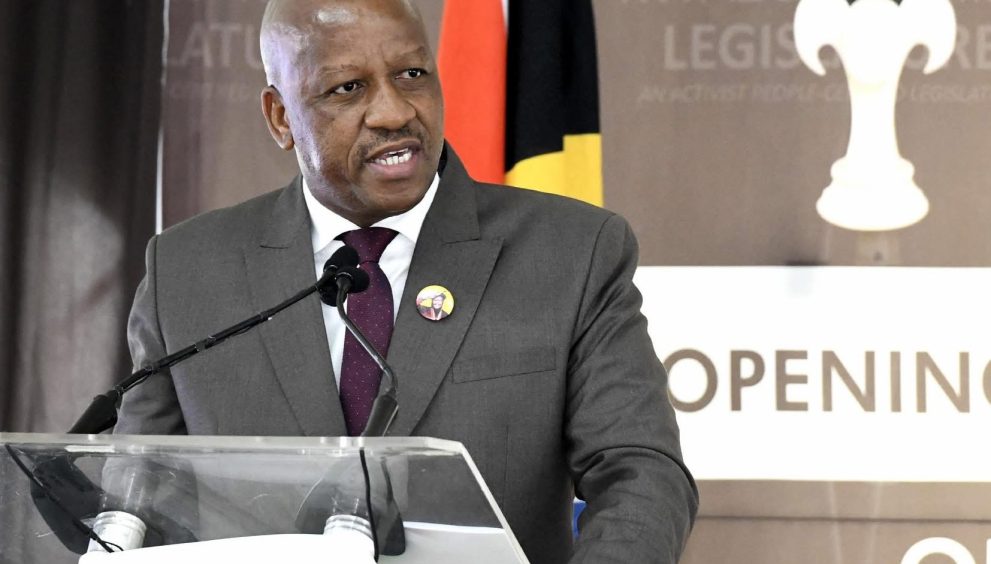
KwaZulu-Natal Premier Thami Ntuli has intervened in the growing crisis engulfing the province’s special needs schools, following over two weeks of protests led by the South African National Association for Special Education (SANASE).
The demonstrations which involved numerous special schools temporarily closing were triggered by the Department of Education’s failure to release full norms and standards funding, with only one of the four annual tranches paid to date. The second tranche has since been paid to the majority of schools.
SANASE has also demanded the appointment of critical support staff, such as classroom aides, therapists and caretakers, and the replacement of dangerously old school buses that continue to transport children with disabilities daily.
Premier’s Commitment
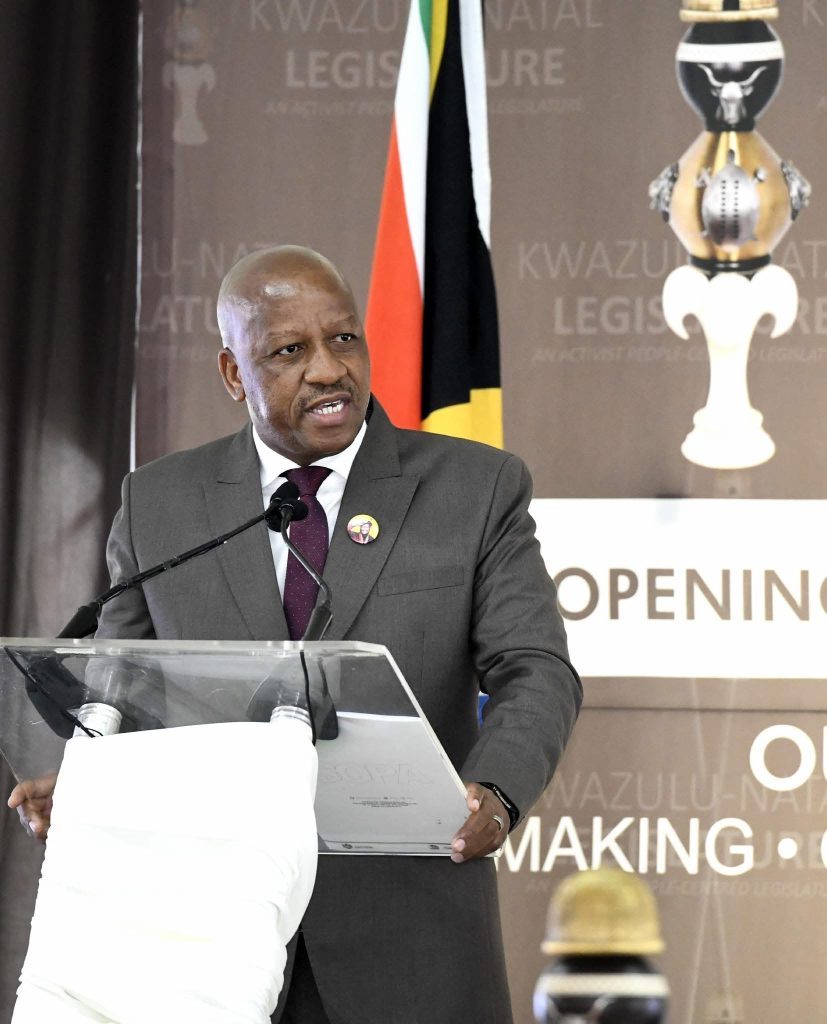
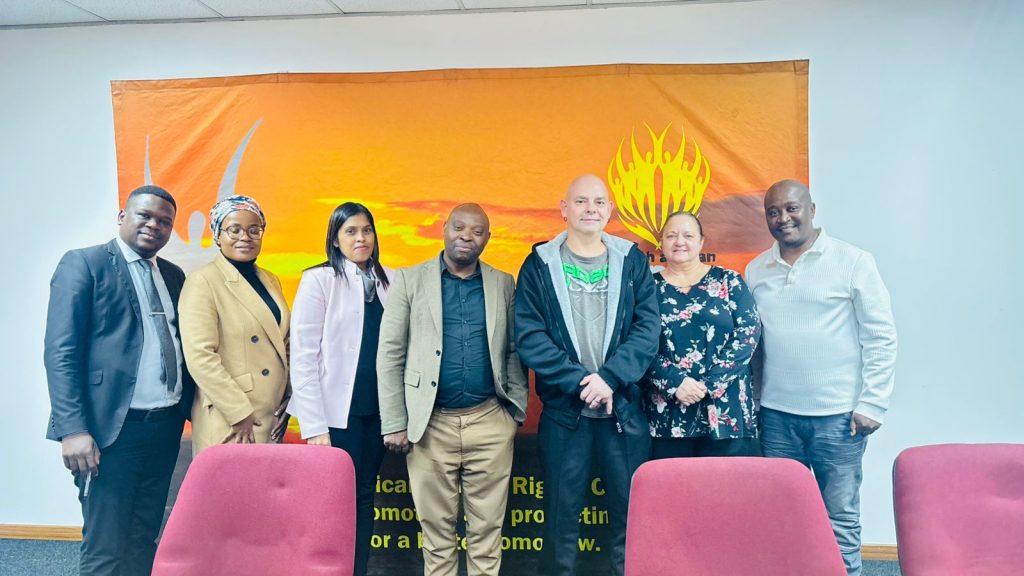
In a marathon meeting held on Tuesday the 28th October 2025, Premier Ntuli met with SANASE executives to discuss these long-standing grievances. The Premier acknowledged the seriousness of the concerns and pledged to engage the KZN Treasury and other provincial departments urgently.
Despite fiscal constraints across government, the Premier committed do everything in his power to prioritise the needs of special schools and protect the dignity of children living with disabilities.
Following the meeting, SANASE resolved to temporarily reopen schools pending the Premier’s feedback next week.
Distrust Runs Deep
While the Premier’s intervention has been welcomed, many parents remain skeptical.
“We have heard promises before,” said a parent from Umlazi. “Our children’s education can’t depend on waiting endlessly for funds.”
The standoff has revealed a broader breakdown of trust between communities and the state , a rift that extends beyond budgets into questions of reliability and accountability.
Experts warn that failing to honour funding commitments undermines the constitutional rights of learners with disabilities and erodes confidence in the public system designed to protect them.
The Social Contract at Stake
At its core, this crisis tests South Africa’s social contract , the implicit agreement that the state will act in the best interests of its people. When that contract weakens, particularly for the most vulnerable, the social cost is profound.
SANASE leaders have emphasised that reopening schools should not be mistaken for surrender but rather as an act of good faith. The association insists that government must now match words with action, paying outstanding tranches, staffing schools adequately, and ensuring learner transport safety.
“This is not a favour we ask,” said one SANASE executive. “It’s a constitutional duty owed to every child who deserves access to safe and inclusive education.”
A Moment for Accountability
Premier Ntuli’s promise to report back next week will be closely watched. The outcome could define whether KwaZulu-Natal turns the page toward genuine partnership with parents and educators or deepens the distrust that has defined the relationship for far too long.
The education of children with special needs cannot wait for another fiscal cycle. What is required now is political will, empathy, and urgent action to uphold the values of inclusion and equality.